
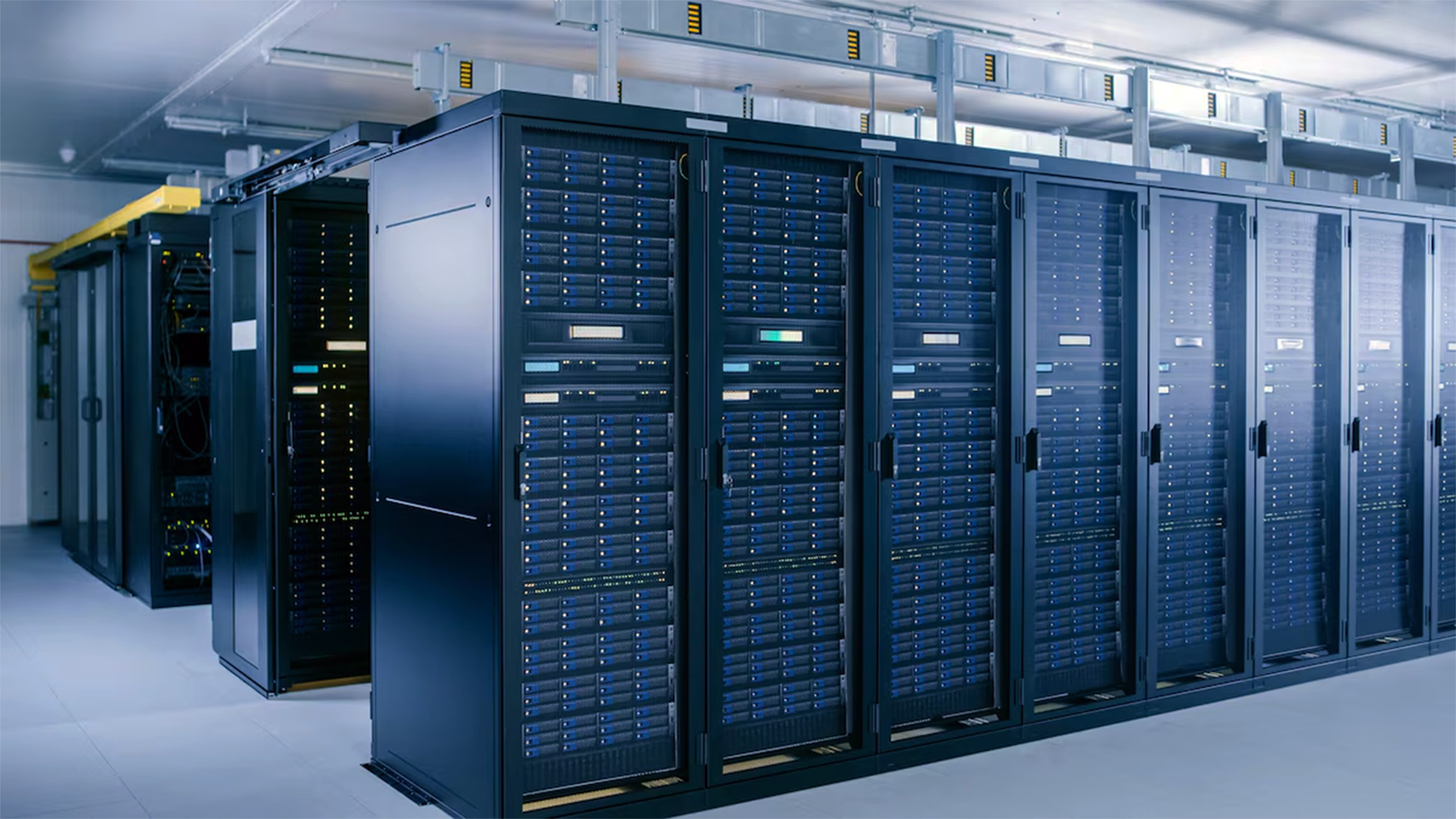
Heat is one of the most overlooked risks in modern IT environments.
While organizations often focus heavily on cybersecurity, redundancy, uptime, and system performance, thermal management tends to receive far less attention—until problems begin to appear.
In reality, excessive heat can quietly affect everything from equipment lifespan and energy efficiency to system reliability and unexpected downtime.
For organizations operating servers, networking equipment, telecom systems, or edge computing infrastructure, understanding the impact of heat is becoming increasingly important.
The challenge is simple:
IT equipment generates heat continuously—and unmanaged heat creates risk.
Whether operating a dedicated server room, a telecom environment, or distributed infrastructure across multiple locations, thermal stability plays a major role in long-term system performance.
Why IT Equipment Produces So Much Heat
Modern IT infrastructure works hard.
Servers, storage systems, switches, power systems, and networking hardware process enormous amounts of information every second.
That performance creates thermal load.
Simply put:
The more work technology performs, the more heat it produces.
High-density environments may generate especially significant heat concentrations.
Common contributors include:
- Servers
- Blade systems
- Storage arrays
- UPS systems
- Networking hardware
- Telecom equipment
- Edge computing systems
As infrastructure becomes more compact and powerful, heat density often increases.
This is one reason cooling strategy has become a growing priority in mission-critical environments.
Heat Does More Than Cause Overheating
When organizations think about heat risk, they often imagine dramatic system failures or emergency shutdowns.
But the reality is usually more gradual.
Heat often creates:
slow, cumulative operational damage.
The hidden cost comes from the impact over time.
Reduced hardware lifespan
Consistently elevated operating temperatures may place additional stress on electronic components.
This can contribute to:
- Premature hardware aging
- Increased failure rates
- Shorter replacement cycles
Over time, infrastructure operating under poor thermal conditions may experience higher maintenance and replacement costs.
Performance instability
Many systems automatically adjust performance when temperatures rise.
This process—often called thermal throttling—can reduce performance to protect hardware.
In mission-critical environments, inconsistent performance may create operational issues that are difficult to diagnose.
Increased downtime risk
Thermal instability increases the likelihood of:
- Unexpected shutdowns
- Hardware failures
- System interruptions
- Emergency service events
For organizations dependent on continuous availability, even brief downtime may create operational consequences.
Small Temperature Problems Can Become Big Infrastructure Problems
One common misconception is:
“The room feels cool, so the equipment must be fine.”
Unfortunately, room temperature alone does not always tell the full story.
IT environments frequently experience:
Hotspots
Areas where airflow is poor and temperatures become elevated.
Uneven cooling
Some equipment receives proper airflow while other areas experience heat buildup.
Rack-level thermal concentration
High-density equipment can create localized heat even inside otherwise cool rooms.
This becomes particularly important in:
- Server closets
- Edge computing environments
- Telecom rooms
- Smaller office deployments
- Occupied environments with limited ventilation
In many cases, organizations do not discover thermal problems until equipment alarms or performance issues begin to surface.
The Energy Efficiency Factor
Heat management also affects operational efficiency.
Poor cooling design may force systems to work harder than necessary.
Examples include:
- Cooling systems running constantly
- Fans operating at higher speeds
- Increased power consumption
- Reduced environmental efficiency
As infrastructure scales, inefficient thermal management can gradually increase operating costs.
In larger environments, cooling strategy becomes closely tied to broader energy planning.
This is one reason many organizations increasingly evaluate cooling as part of long-term infrastructure design rather than simply reacting to problems later.
Why Edge Computing Makes Heat Management More Challenging
As organizations adopt edge computing, thermal planning becomes even more important.
Unlike centralized data centers, edge deployments are often placed in:
- Offices
- Remote facilities
- Healthcare settings
- Telecom locations
- Industrial environments
These spaces are not always designed for concentrated IT heat loads.
As a result, organizations may face:
- Limited airflow
- Space restrictions
- Occupied environments
- Greater cooling limitations
Thermal management becomes increasingly important when infrastructure must operate reliably outside traditional data center environments.
Precision Cooling Helps Reduce Thermal Risk
Managing heat effectively often requires more than conventional office HVAC systems.
Traditional cooling systems are typically designed around:
human comfort
IT infrastructure has different requirements.
Mission-critical systems often benefit from environmental strategies designed specifically around:
- Stable operating temperatures
- Controlled airflow
- Equipment density
- Continuous operation
- Rack-level cooling requirements
Precision cooling approaches are increasingly helping organizations reduce thermal instability while supporting long-term reliability.
Depending on the environment, this may involve:
- Rack-level cooling
- Precision cooling cabinets
- In-row cooling
- Containment strategies
- Environmental optimization
The right approach depends on the specific operational environment.
Signs Your Environment May Have a Heat Problem
Organizations sometimes overlook early warning signs.
Common indicators include:
- Excessive equipment fan noise
- Warm server rooms
- Recurring equipment alarms
- Inconsistent performance
- Frequent hardware failures
- Cooling systems constantly running
Even modest warning signs may suggest it is worth evaluating environmental conditions more closely.
Planning for Long-Term Reliability
Thermal management is not simply about avoiding overheating.
It is about:
creating stable conditions that support reliable performance over time.
Organizations investing in IT infrastructure increasingly recognize that cooling strategy should be part of infrastructure planning—not an afterthought.
At Karis Technologies, conversations around infrastructure design increasingly involve helping organizations evaluate thermal requirements alongside rack environments, cooling performance, and long-term operational reliability.
Final Thoughts
Heat may be invisible, but its impact on IT infrastructure is not.
Over time, poor thermal management can quietly affect performance, hardware lifespan, energy efficiency, and uptime.
For organizations operating mission-critical environments, understanding the hidden cost of heat is becoming more important than ever.
The right cooling strategy can help reduce risk, improve reliability, and support long-term infrastructure performance.