
In today’s increasingly digital world, businesses rely on mission-critical IT systems to support everything from cloud computing and telecommunications to healthcare, finance, and enterprise operations. Behind those systems sits an often-overlooked challenge: heat.
Servers, networking equipment, storage systems, and power infrastructure generate significant thermal loads, and traditional building HVAC systems are often not designed to handle the precise environmental requirements of modern IT environments. That is where precision cooling comes in.
Whether supporting a large-scale data center, edge deployment, telecom environment, or server room inside an office or healthcare facility, precision cooling plays an essential role in maintaining reliability, uptime, and equipment longevity.
What Is Precision Cooling?
Precision cooling is a specialized method of environmental control designed specifically for IT and mission-critical infrastructure environments.
Unlike standard commercial heating, ventilation, and air conditioning (HVAC) systems, precision cooling systems are engineered to maintain highly consistent conditions, including:
- Temperature stability
- Humidity control
- Airflow management
- Equipment-level cooling performance
- Continuous 24/7 operation
The goal is simple:
Keep sensitive electronic systems operating within ideal environmental conditions to prevent overheating, instability, and premature equipment failure.
In many IT environments, even small temperature fluctuations can impact performance. Excessive heat can shorten hardware lifespan, reduce efficiency, create thermal hotspots, and in severe cases contribute to unexpected downtime.
Precision cooling is designed to solve these problems proactively.
Why Traditional HVAC Is Often Not Enough
One of the most common misconceptions in IT environments is the assumption that standard building air conditioning can adequately cool server equipment.
In reality, traditional HVAC systems and precision cooling systems are built for very different purposes.
Commercial HVAC is designed primarily for human comfort. Office occupants may tolerate fluctuations in room temperature throughout the day, and systems are typically designed around occupancy schedules rather than continuous equipment operation.
IT equipment, however, has very different requirements.
Servers, switches, storage arrays, and network hardware produce concentrated heat loads and often require:
- Stable operating temperatures
- Continuous airflow
- High-density cooling capability
- Reliable operation regardless of building occupancy
A conventional office HVAC system may cool a room adequately during normal use but struggle under increased equipment density or changing thermal demands.
This becomes especially important in environments such as:
- Data centers
- Telecom rooms
- Edge computing deployments
- Healthcare facilities
- Financial institutions
- Industrial and manufacturing environments
As infrastructure grows denser, precision cooling becomes increasingly important.
How Precision Cooling Works
Precision cooling systems are specifically designed to direct conditioned air where IT equipment needs it most.
Rather than cooling an entire room indiscriminately, precision systems focus on targeted thermal management.
Depending on the application, precision cooling solutions may include:
In-row cooling
Cooling units positioned close to equipment racks to minimize airflow distance and improve efficiency.
Rack-level cooling
Cooling designed directly into or alongside cabinets and rack systems to address high-density heat loads.
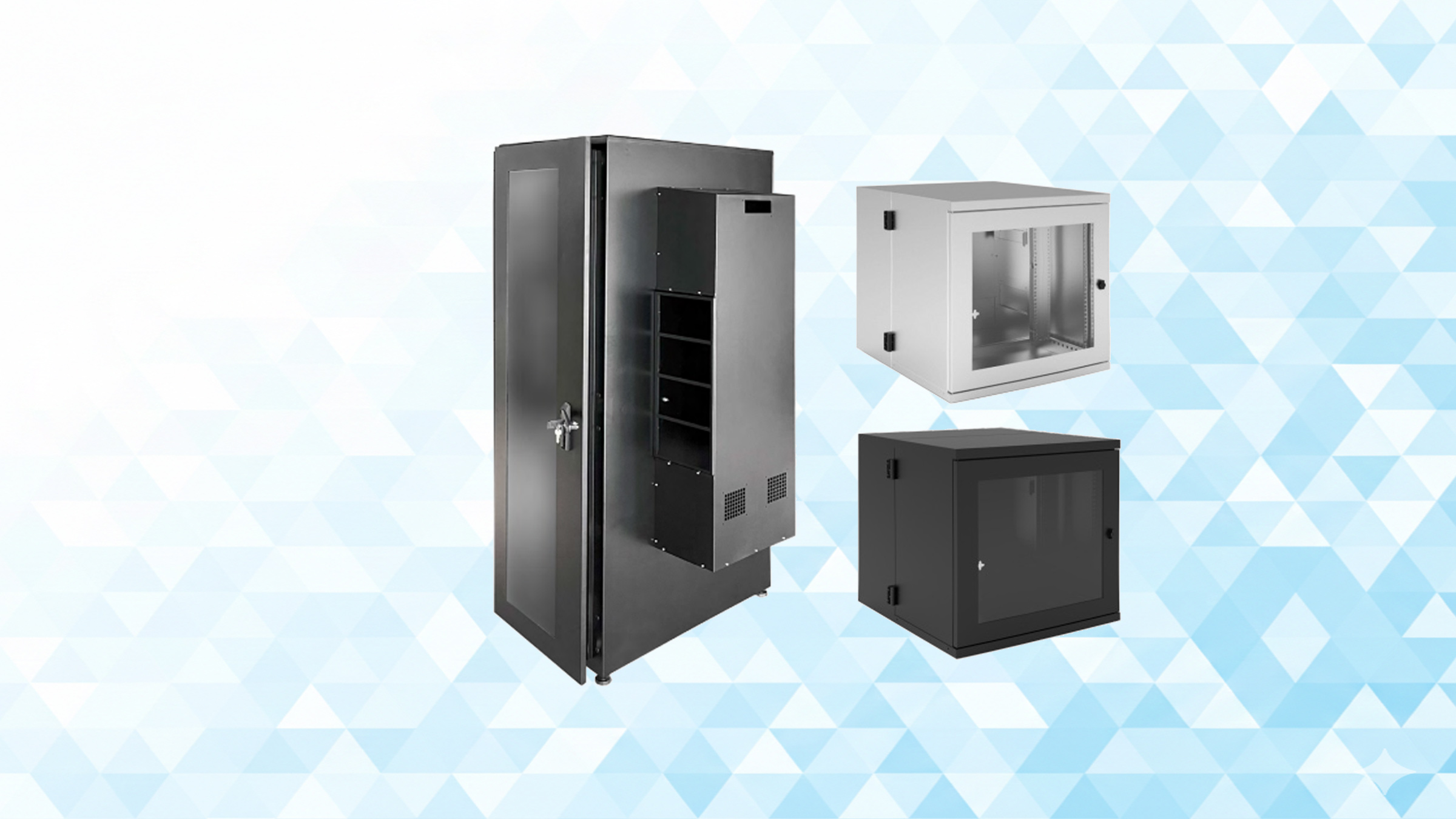
Precision cooling cabinets
Integrated cooling environments that provide thermal management directly at the enclosure level.
Hot aisle / cold aisle containment strategies
Environmental designs that separate intake and exhaust airflow to improve efficiency and reduce thermal mixing.
The right approach depends on:
- Equipment density
- Available floor space
- Power requirements
- Noise considerations
- Environmental conditions
- Redundancy expectations
No two environments are identical, which is why cooling strategy matters.
Why Precision Cooling Matters for Reliability
The cost of IT downtime can be substantial.
For many organizations, even a brief outage can affect operations, productivity, communications, customer experience, or compliance obligations.
Thermal instability is often an underestimated contributor to reliability issues.
Poor cooling can lead to:
- Reduced hardware lifespan
- Unexpected shutdowns
- Performance degradation
- Thermal throttling
- Increased maintenance costs
- Higher energy inefficiency
Over time, excessive heat places stress on mission-critical infrastructure.
Precision cooling helps reduce those risks by maintaining stable operating conditions around sensitive equipment.
This is particularly important in environments where uptime expectations are high or where cooling consistency directly affects business continuity.
Precision Cooling and Edge Computing
As organizations increasingly deploy IT systems closer to where data is used, edge computing environments are becoming more common.
Unlike traditional centralized data centers, edge deployments are often located in:
- Offices
- Retail environments
- Remote telecom sites
- Manufacturing facilities
- Healthcare settings
These environments are not always designed for concentrated IT heat loads.
Precision cooling helps bridge that gap by allowing organizations to maintain enterprise-grade environmental control in smaller or unconventional spaces.
As computing continues to decentralize, thermal management is becoming an increasingly important planning consideration.
Choosing the Right Precision Cooling Solution
There is no universal cooling strategy for every environment.
The right solution depends on factors such as:
- Rack density
- Equipment type
- Environmental constraints
- Noise requirements
- Redundancy goals
- Physical space limitations
Organizations evaluating cooling options often benefit from working with infrastructure specialists who understand both broader data center environments and application-specific cooling requirements.
At Karis Technologies, precision cooling has become an increasingly important part of helping organizations maintain reliable, high-performance IT environments. From broader infrastructure planning to purpose-built cooling cabinet solutions, the goal remains consistent: protecting mission-critical systems where uptime matters most.
Final Thoughts
As digital infrastructure continues to expand, heat management is becoming a more important operational consideration than ever before.
Precision cooling is not simply about keeping equipment cool. It is about creating stable environmental conditions that support reliability, efficiency, and long-term system performance.
For organizations operating mission-critical infrastructure, the right cooling strategy can help reduce risk, improve uptime, and protect valuable technology investments over time.